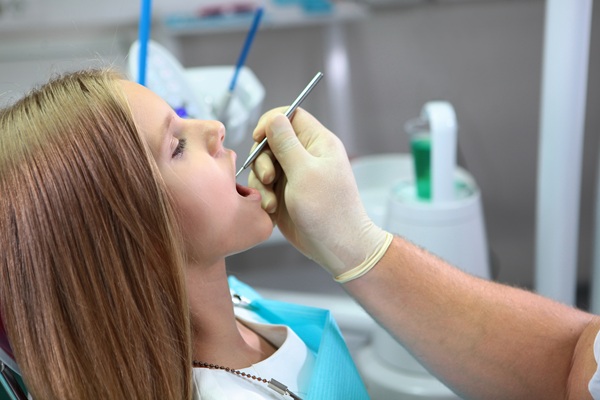
Seeing blood during a dental cleaning can catch patients off guard, especially when their gums felt fine beforehand. Bleeding often happens when plaque irritates the gumline and makes the tissue more sensitive. The good news is that there are several simple steps patients can take to prevent bleeding gums and improve comfort at their next appointment.
Give the gums consistent attention
Patients who care for the gums throughout the year often feel much more prepared when it is time for their next dental cleaning. That is because healthy gums respond best to steady care rather than occasional bursts of extra brushing. Unfortunately, plaque forms on the teeth daily, particularly along the gumline. When that buildup remains in place, bacteria irritate the gums and make them more likely to bleed. Brushing twice a day helps interrupt that cycle before inflammation has a chance to develop.
Patients should use a soft-bristled toothbrush and light pressure near the gumline. Scrubbing harder does not clean the teeth more effectively, and too much force can irritate sensitive tissue. Slow, controlled movements remove plaque while treating the gums more gently.
Make flossing a daily habit
Some patients floss only when food gets stuck or when a dental cleaning appears on the calendar. That pattern gives plaque plenty of time to collect between the teeth, where toothbrush bristles cannot reach. When patients suddenly floss those areas again, the gums will likely start to bleed because inflammation has already developed.
Daily flossing helps keep the gums healthy between routine cleanings. Guide the floss gently around each tooth; do not snap it into the gum tissue. With time, consistent cleaning can reduce irritation and make bleeding less noticeable. Flossing should also become faster and more comfortable as the gums get used to it.
Give healthy habits time to work
Patients sometimes expect bleeding gums to improve after one or two days of better brushing and flossing. Gum tissue often needs more time to recover from ongoing plaque irritation. Staying consistent gives the gums a better opportunity to become firmer and less sensitive.
Skip the aggressive night-before routine
A dental cleaning does not require a last-minute attempt to make up for weeks of missed oral care. Brushing for an unusually long time or flossing aggressively the night before can leave the gums sore before the appointment even begins. Patients should follow their normal routine and let the dental team handle hardened tartar that home tools cannot remove.
Remember that regular habits matter much more than one intense cleaning session. Patients who consistently brush and clean between their teeth usually arrive at their appointment with less buildup along the gumline. That can help reduce inflammation and make the cleaning process more comfortable.
Speak up during the appointment
Patients do not need to quietly tolerate discomfort during a dental cleaning. Telling the dental team about sensitive areas before the cleaning begins gives them useful information about the condition of the gums. The dentist and their hygienist can then pay closer attention to areas that frequently bleed or feel tender. Their goal is always patient comfort at every step.
Making your next dental cleaning easier
Bleeding gums do not have to become an expected part of every dental cleaning. The steps above can help the gums become healthier and less reactive. For more tips or to book a cleaning, contact Russikoff Family Dentistry today.
Request an appointment here: https://russikoffdentistry.com or call Russikoff Family Dentistry at (818) 483-9078 for an appointment in our Northridge office.
Check out what others are saying about our dental services on Yelp: Dental Cleaning and Examinations in Northridge, CA.
Related Posts
A regular dental cleaning is vital for maintaining optimal oral health. While many people understand the importance of these appointments, the specifics of what happens during dental cleanings may remain a bit mysterious.In this review, we discuss the procedure of a typical dental cleaning, providing insight into the process and highlighting its significance in preventive…
Dental cleaning is a huge part of routine check-ups. The procedure involves using a scaler to scrape off tartar and plaque deposits from teeth surfaces. Plaque is the sticky film that builds up on teeth, and it hardens into tartar when left on teeth surfaces for a few days. Both make you more vulnerable to…
A dental cleaning is a simple and non-invasive dental procedure in which plaque and tartar accumulation is scaled away and the teeth and gum line are thoroughly cleaned and polished. There are several notable benefits of this preventive dental procedure that patients should understand. The benefits of dental cleaning include the ability to brighten and clean…
Getting a dental cleaning is an essential part of maintaining good oral health. However, it can be difficult to know how often to get one done. Most general dentists recommend dental cleanings twice a year, but there are certain signs to be aware of that can indicate a need for them more frequently. Outlined below are…